

Blog
How to select the right appliances.
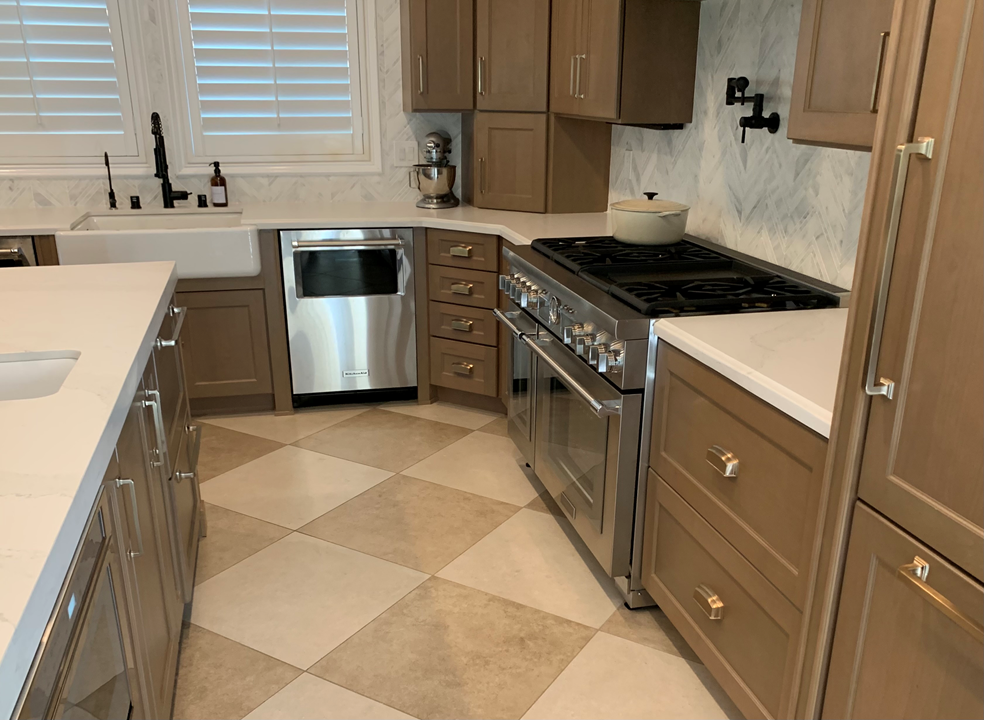
- Functionality: Choose appliances that match your lifestyle and meet your cooking needs. Consider things like frequency of use, your cooking style, and family size.
- Size and space: Confirm the appliances fit well within your Kitchen layout and will fit into the room.
- Energy and Efficiency: Select appliances with high Energy Star ratings to save on utility bills and reduce environmental impact.
- Budget: Set a budget and prioritize appliances based on their importance to your cooking routine.
- Ease of use and Maintenance: Select appliances that are user-friendly and easy to maintain.
- Warranty and Support: Check the warranty coverage and after-the-sale support provided by the retailer and manufacturer.
- Pro Tip: Always use certified installers that work with the appliance retailer. This ensures the retailer is responsible for the safe transportation and installation of the product.
By considering these factors, you can choose Kitchen appliances that enhance your cooking experience, fit seamlessly into your space, and offer long-term value.
Blog
Should I hire a Kitchen Designer?

- Expertise: Kitchen Designers have specialized knowledge and training to optimize functionality and aesthetics to ensure your Kitchen remodel is both practical and beautiful. Look for a Designer that listens carefully and asks the right questions.
- Customization: Kitchen Designers tailor the design to suit to our specific needs, preferences, and lifestyle. They maximize your available space making it more efficient.
- Attention to Detail: Kitchen Designers pay close attention to every aspect of your Kitchen design, from storage to material selection to lighting solutions. All details are meticulously planned and executed.
- Problem Solving: Kitchen Designers can anticipate and address potential issues early in the process, preventing mistakes and costly change orders during construction.
- Value Added: A well-designed Kitchen can significantly increase the value of your home, making it a worthwhile investment.
Overall, hiring a qualified Kitchen Designer can result in a more functional, visually appealing, and stress-free renovation experience.
Should I buy Custom or
Semi-Custom Cabinets?
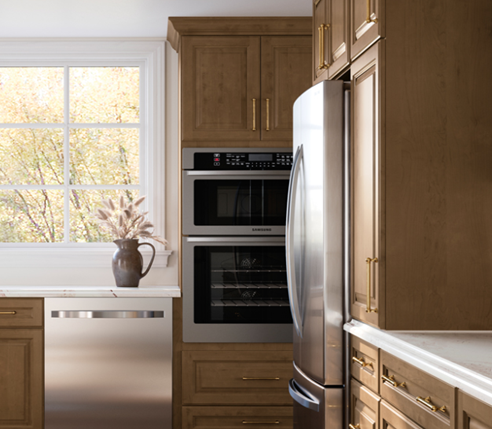
Whether to buy custom cabinets or manufactured cabinets depends on various factors:
- Space and Layout: Custom cabinets are ideal for maximizing storage and space in Kitchens or Bathrooms with unique layouts or dimensions. By the same token, a skilled Kitchen Designer or Bath Designer can design standard cabinets to fit within any space.
- Design Flexibility: Custom cabinets offer great design flexibility, allowing you to customize every detail. This is especially important when incorporating custom posts and paneling details. Custom cabinets make fitting higher-end alliances easier as compared to semi-custom. There are many semi-custom manufacturers that offer similar components to personalize and enhance the cabinet design as well.
- Cost: Custom cabinets often come with a higher price tag compared to pre-made or semi-custom cabinets. Consider your budget and weigh the cost against the benefits of customization.
- Timeline: Custom cabinets typically require a longer lead time for design, fabrication, and installation as compared to semi-custom cabinets. If you have a tight timeline for your remodeling project, consider whether the customization process aligns with your schedule.
- Doorstyles: Custom cabinets offer a wide array of different doorstyle and finish options. Semi-custom cabinets offer many style options and finishes; some wood types and finish colors may not be available on every door type.
- Finishes: Custom cabinets are finished on-site and inside the home after installation. Semi-custom cabinets are prefinished and ready for installation. The Environmental Protection Agency (EPA) restricts the type of finishes that can be used in California. Most semi-custom manufacturers have plants in other states where regulations are not as stringent. As a result, semi-custom companies apply factory-controlled, baked-on finishes that are superior to water-based products used in California.
- Warranty: Custom cabinet companies are typically smaller in size and offer limited warranties. Large semi-custom manufacturers offer a lifetime warranties and have field representatives to service and support their products.
Ultimately, the decision to buy custom cabinets over semi-custom cabinets depends on your priorities, budget, and specific needs for your space. If you prioritize design flexibility and customization, and have the budget to invest in custom cabinetry, it can be a worthwhile investment for your home.
Should I buy a free-standing
bathtub ?

Whether or not to buy a free-standing bathtub depends on your personal preferences, budget, space availability, and design goals. Here are some things to consider:
- Aesthetic Appeal: Free-standing bathtubs often serve as a focal point in the Bathroom and adds an elegant touch to the space. Make sure this aligns with your overall design vision.
- Space: Free-standing bathtubs require space around them to allow for cleaning of the surrounding floor space. Ensure your Bathroom has enough space to accommodate the tub without crowding the space.
- Installation: Free-standing bathtubs may require additional plumbing work and floor reinforcement. Depending on placement within the Bathroom space, the tub faucet can be wall-mounted or floor-mounted at one end or centered on the bathtub.
- Maintenance: Free-standing bathtubs typically have exposed sides, that may require more cleaning and maintenance compared to built-in models.
- Cost: Free-standing bathtubs can vary widely in price. Determine your budget and explore options within your price range.
- Resale value: While free-standing bathtubs can enhance the visual appeal of your Bathroom, they may not appeal to every buyer. Consider if the investment aligns with your long-term plans for the home and potential resale value.
Ultimately, whether to buy a free-standing bathtub boils down to your personal preferences, overall budget, and your design goals for your Bathroom. If you have the space and budget to accommodate it, a free-standing bathtub can be a luxurious addition to your home.
How much is my remodeling project going to cost?

The cost of a remodeling project can vary depending on several factors. Here are five key things that will impact how much your project will cost:
1. Scope of Work
- The overall scope of work of the
remodel is a major determinant. A simple kitchen upgrade, like new
countertops and appliances, will cost less than a full gut renovation. For
example, a bathroom remodel might only need cosmetic updates, or you might decide to relocate plumbing and electrical systems. - If you’re adding square footage
or changing the layout significantly (removing or relocating walls, moving
plumbing or electrical), that will drive up costs. - Always consult a licensed Structural Engineer to determine which walls can or can’t be removed in your home before diving too deep into the design concept.
2. Materials and Finishes
- The quality and type of materials
you choose can greatly affect the overall cost. - Premium tile, fixtures, custom cabinetry, and Smart Home Intergrations can significantly add to your overall budget.
- Always remember that your choices
on flooring, cabinetry, countertops, and appliances can make a big impact on the final price.
3. Labor Costs
- Skilled labor tends to be one of
the largest parts of your remodeling budget. Rates can vary based on the complexity of the job, and the professional’s experience. For example, an experienced and licensed general contractor will charge more than a handyman because they bring specialized knowledge to the table.
4. Permits and Regulations
- Some remodeling projects,
especially ones that involve structural changes (like moving walls or
changing plumbing), require permits from your local building department. - Permit costs vary depending on the project and jurisdiction.
- It’s important to factor in time and money for inspections or compliance with building codes as well.
5. Design and Planning
- If you’re working with a designer
or architect, their fees will add to the total cost. Complex projects may require a detailed design and planning stage, which can increase the initial cost. When all aspects of the project have been thought through in advance, the construction advances quickly. - Having a clear vision and detailed plans in place before starting can help avoid unexpected change orders during the renovation process.
How do I select materials for my Kitchen remodel?

Selecting the right materials for your kitchen remodel is crucial for both the functionality and aesthetic of the space. The best advice I can give is to fall in love with something; countertop color, doorstyle and finish, backsplash tile, etc. The entire color palette can be built around your favorite thing! Also, take some time to consider these 5 key steps to help guide you through the process:
1. Define Your Budget and Priorities
- Budget First: Before you start picking out materials, it’s essential to know how much you can spend. Your budget will guide your choices between luxury options and more affordable materials.
- Set Priorities: Determine what’s most important to you in your kitchen remodel. Knowing your priorities helps allocate your budget more effectively.
2. Consider Durability and Maintenance Needs
- Kitchens are high-traffic areas, so choosing durable materials is essential. Consider how much wear and tear your materials will endure.
- Countertops: Granite, quartz, and marble are durable, but marble requires more maintenance (sealing, stains).
- Cabinets: Solid wood or plywood cabinets last longer than particleboard or MDF.
- Flooring: Tile, hardwood, and vinyl are popular choices—tile is highly durable, hardwood offers warmth but needs sealing, and vinyl is budget-friendly and easy to clean.
- Also, think about how much time you’re willing to spend maintaining your materials. For example, stainless steel looks great but can show fingerprints easily, while matte finishes tend to hide smudges.
3. Match Materials with Your Kitchen Style
- Think about the overall look and feel you want for your kitchen. Materials should complement your style, whether it’s modern, rustic, traditional, or industrial.
- Modern Kitchens: Quartz countertops, sleek cabinetry, and glass backsplashes work well.
- Rustic Kitchens: Wood accents, stone countertops, and vintage-style appliances bring warmth and character.
- Traditional Kitchens: Classic materials like wood cabinetry, marble countertops, and subway tile backsplashes give a timeless appeal.
- Don’t be afraid to mix and match materials for contrast—just ensure they work well together in terms of color, texture, and theme.
- Utilizing the services of a Certified Designer can take the stress and uncertainty out of the process.
4. Think About Functionality and Workflow
- In a kitchen, functionality is just as important as appearance. Choose materials that enhance your kitchen’s workflow.
- Countertop Durability: If you cook a lot, opt for a durable, heat-resistant surface like quartz or granite.
- Storage and Organization: For cabinetry, consider custom solutions like pull-out shelves, lazy Susans, or built-in dividers to improve organization.
- Backsplash: Go for a material that’s easy to clean, like ceramic or glass tiles, to reduce maintenance time and effort.
5. Don’t Forget About Environmental Impact
Sustainability is an important consideration when selecting materials. Look for eco-friendly options that are durable, non-toxic, and responsibly sourced.
- Energy Efficiency: Opting for energy-efficient appliances or LED lighting can also tie into a more sustainable kitchen remodel.
Quick Guide to Bathroom Lighting for showers and shower niches
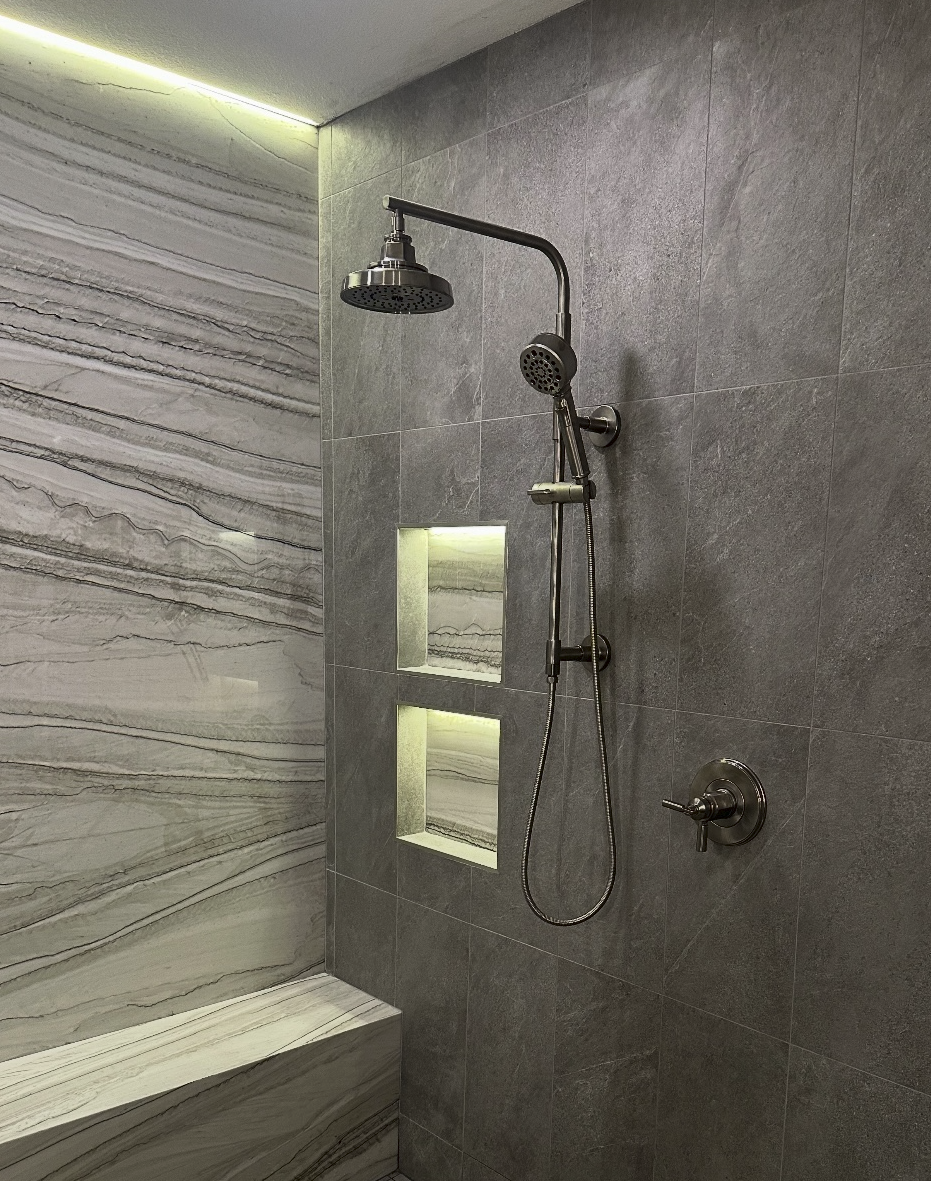
When planning a bath remodeling project, most homeowners obsess over tile and fixtures but overlook one critical design element: bathroom lighting. As a bath remodeler or bathroom designer, the way you light the shower and shower niche can dramatically improve safety, functionality, and the overall feel of the space. In this guide, we’ll cover:
- Best types of bathroom lighting for showers and niches
- Safety ratings you must know for wet areas
- How to create layered light in a bath renovation
- Practical tips any remodeling contractor can use on their next project
- Key Types of Bathroom Lighting (and Where They Belong)
A well‑designed bathroom renovation uses layers of light: ambient, task, and accent.
- Ambient lighting: General lighting for the bath (ceiling fixtures, recessed lights).
- Task lighting: Focused light for grooming at the vanity or in the shower.
- Accent lighting: Adds drama and highlights features like niches or feature walls.
Common fixtures in a bath remodeling project include:
- Ceiling lights / flush mounts – main ambient light in most bathrooms.
- Recessed lights – great over showers and tubs; choose damp or wet‑rated trims.
- Vanity lights & sconces – essential task lighting at the mirror.
- Pendants / chandeliers – decorative ambient light in larger, luxury baths.
For a modern, clean look, many bath designers rely on a mix of recessed lighting, wall sconces, and an integrated or backlit mirror.
- Shower Lighting Basics: Safe, Bright, and Beautiful
Use Wet‑Rated Recessed Shower Lights
For the shower the gold standard is a wet‑rated recessed light with a glass lens.
- Recessed shower lights are designed for humid, wet conditions and sit nearly flush with the ceiling for a minimalist look.
- Task pros recommend glass lenses, not plastic, to avoid yellowing over time.
- Many manufacturers offer dedicated 4″–6″ shower trims with gasketed glass and reflectors for better light spread.
These fixtures provide task lighting that makes shaving, washing hair, and cleaning the shower much easier while keeping fixtures safe from moisture.
- Lighting Shower Niches: Small Detail, Big Impact
A shower niche is the perfect place for subtle accent lighting that makes a bathroom feel custom and high‑end.
Popular ways bath designers light shower niches:
- LED tape/strip lighting:
- Hidden in a small channel at the top or sides of the niche
- Creates a soft glow that showcases tile and bottles
- Must be wet‑rated and properly sealed; switching outside the wet zone
- Mini recessed or micro downlights:
- Tiny spots in the shower wall or ceiling washing the niche
- Great for stone or textured tile
How to Select Cabinet Hardware for Kitchen and Bath Cabinetry
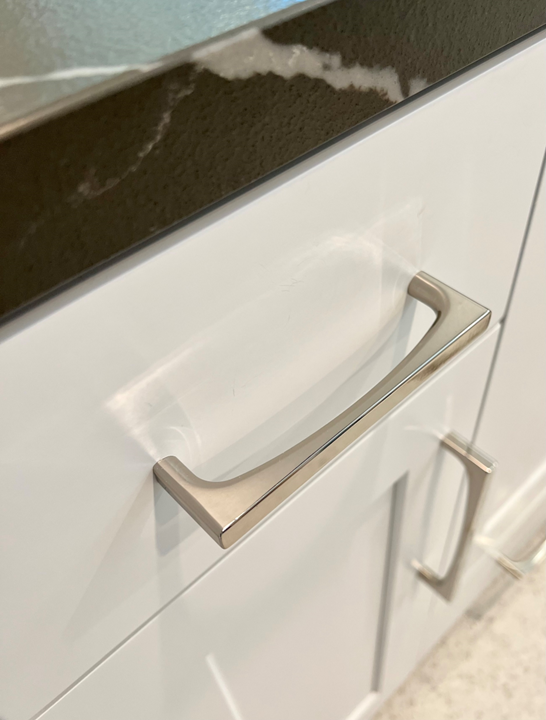
Choosing cabinet hardware is one of the most visible decisions in any custom cabinetry project. The right knobs and pulls complete the look of a new kitchen or bath and make everyday use more comfortable. Whether you’re a homeowner working with a remodeling contractor, kitchen designer, bath designer, kitchen and bath designer, or interior designer, these four points will help you pick hardware with confidence.
- Knobs vs. Pulls: The Basics
Most kitchen and bath cabinetry uses a combination of knobs and pulls:
- Knobs
- Single screw, usually round or square
- Great for cabinet doors in both kitchen and bath
- Classic, simple, and budget‑friendly
- Pulls
- Two screws, more linear and substantial
- Ideal for drawers and larger, heavier doors
- More ergonomic for high‑use custom cabinetryA common approach for kitchen designers and bath designers is: knobs on doors, pulls on drawers.
- Main Types of Knobs and Pulls
Your kitchen and bath designer or interior designer will often start by narrowing down these core styles:
- Round knobs – Timeless choice for traditional and transitional custom cabinetry
- Square knobs – Clean, modern look for Shaker and flat‑panel doors
- Bar pulls – Straight, contemporary pulls that work on almost any style
- Cup/bin pulls – Perfect on drawers in farmhouse, cottage, and vintage‑inspired spaces
- Edge/tab pulls – Minimal hardware mounted on the edge of the door or drawer for a sleek, modern look
These basic types cover most design directions a remodeling contractor encounters on kitchen and bath projects.
Starting Your Kitchen, Bath, or Whole House Interior Design project?
Here's Everything You Need to Know...
Are you ready to begin a kitchen remodel, bathroom renovation, whole house redesign, or start an exciting interior design project? Whether you’re upgrading a single room or transforming your entire home, knowing where to begin is the key to success. This step-by-step guide will help you confidently plan, budget, and execute your dream home transformation.
🛠️ Step 1: Define Your Design Goals
Before hiring a contractor or browsing Pinterest, take time to outline your interior design goals. Ask yourself:
- Are you looking for a modern kitchen remodel with smart appliances and quartz countertops?
- Do you want a luxurious bathroom renovation with a spa-like atmosphere?
- Are you considering a whole home redesign for better flow, function, and aesthetics?
- Is your focus more on interior decorating, like selecting paint colors, furniture, and decor?
Clarity now avoids costly mistakes and change orders later.
📋 Step 2: Set a Realistic Budget
Budget is everything. A well-planned interior design budget includes:
- Design fees from a certified design professional
- Materials and finishes, such as cabinetry, flooring, tile, and countertops
- Labor and construction costs from a licensed remodeling contractor
- Permits costs from your local City or County Building Department
- A 10–20% contingency fund for unforeseen conditions
Typical costs vary:
- Kitchen renovations: $25,000–$80,000+
- Bathroom remodeling: $10,000–$40,000+
- Whole house remodels: $100,000–$500,000+
Work with an Interior Design professional and General Contractor early to create a detailed scope of work and formulate a preliminary investment amount.
🧑🎨 Step 3: Hire Right Design Professionals
Tip: Search Designers on the National Kitchen and Bath Association (NKBA), California Council of Interior Design Professionals (CCIDC) Websites.
Check remodeling contractor’s license on the California State License Board (CSLB) website.
A successful home renovation project starts with the right team:
- Interior Designers help with style design continuity.
- Kitchen and Bath Designers specialize in functional, creative design concepts and solutions including space-planning.
- Structural Engineering if you’re considering moving interior walls.
- General Contractors manage permits, structural changes, and construction timelines.
- Architects to prepare permit documents
Use referrals, Houzz and Google reviews, and portfolios to find experts that match your vision.
🖼️ Step 4: Gather Inspiration
Explore design styles to clarify your aesthetic:
- Transitional (a mix of traditional and modern)
- Modern Farmhouse
- Minimalist Scandinavian
- Mid-Century Modern
- Coastal or Boho Chic
- Contemporary or Industrial
Browse:
- Pinterest boards
- Houzz design portfolios
- Home renovation blogs
- Interior design magazines
🧱 Step 6: Choose Materials & Finishes
Select durable, beautiful materials that match your budget and lifestyle:
Kitchen:
- Countertops: Quartz, Quartzite, granite, butcher block
- Cabinets: Shaker, slab, raised panel, composite, or custom millwork
- Flooring: Hardwood, tile, LVP
Bathroom:
- Tile: Porcelain, ceramic, marble
- Vanities: Floating, double-sink, single-sink or custom
- Fixtures: Matte black, brushed nickel, gold, champagne gold, oil-rubbed bronze
Whole House:
- Paint colors
- Flooring throughout
- Window treatments
- Built-ins & millwork
🧩 Step 7: Finalize Your Timeline
Set a clear home renovation timeline, factoring in:
- Design phase: 6-10 weeks
- Permit approvals: 6–8 weeks (if needed)
- Construction: 4 weeks (small bath) to 6+ months (whole home)
Expect delays. Ordering materials early and hiring reliable professionals helps.
🏁 Step 8: Execute the Project with Confidence
Now it’s time to bring your vision to life! Key tips:
- Stay involved in weekly walkthroughs
- Keep a project binder or use tools like Asana or JobTread
- Communicate often with your team
- Be flexible—design changes can happen
🌟 Final Thoughts
Starting a kitchen, bathroom, whole house, or interior design project can feel overwhelming, but the right design and planning makes all the difference. From setting a clear vision and hiring trusted professionals to selecting materials and managing timelines, every step builds toward a home that reflects your unique style and needs.